
Digital equipment can be used to plan and manufacture dental restorations. Equipment and services vary between clinics. Whether a restoration can be completed in one visit depends on individual assessment, the type of restoration, suitable materials and the equipment available. Please confirm the available services with your chosen clinic.
Dental Crowns & Bridges – Treatment Options
Custom Restorations Designed to Restore Function and Appearance
At Experteeth Dental Group, we understand that your smile is uniquely yours. Our dental crowns and bridges are designed to help restore the function and appearance of damaged or missing teeth.
What Are Dental Crowns?
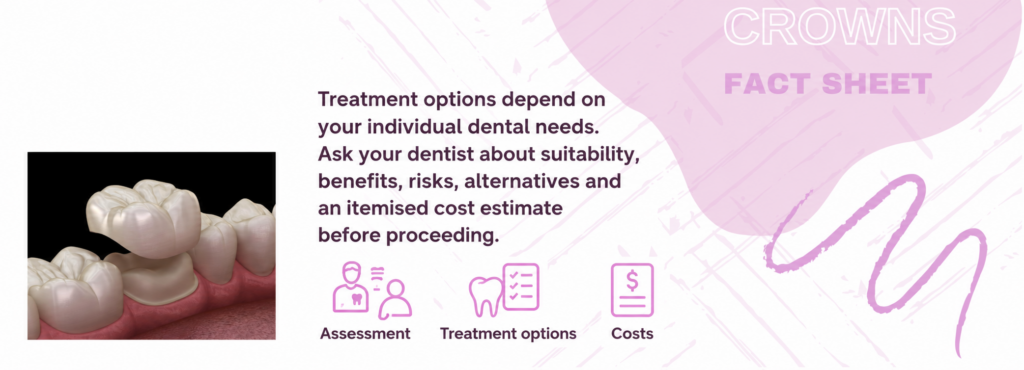
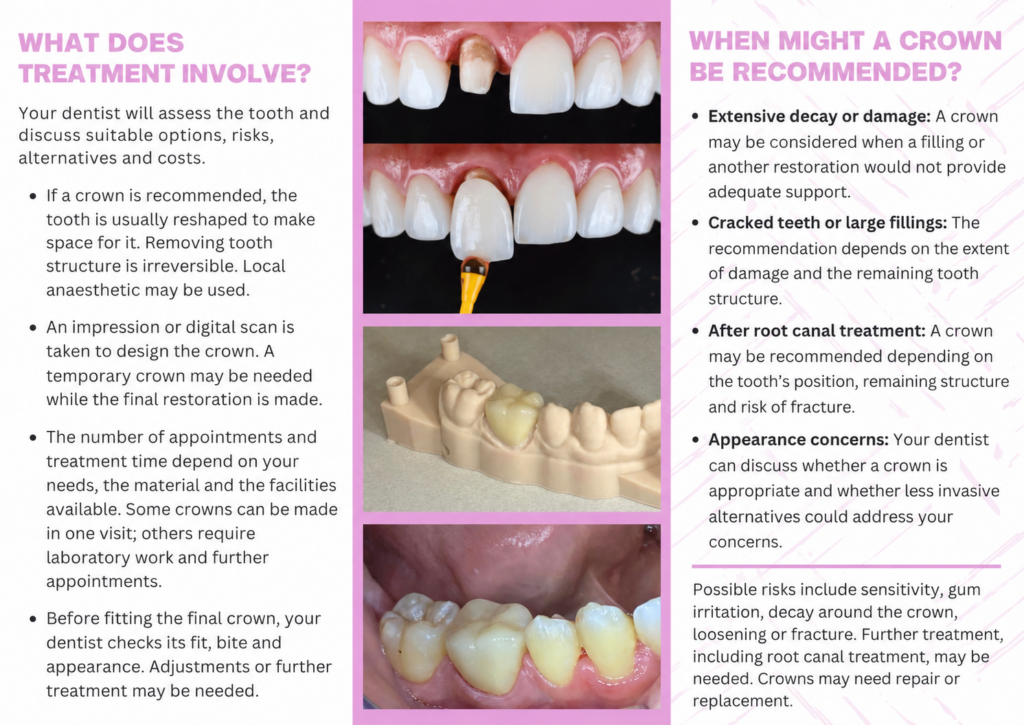
A dental crown is a custom-made restoration that covers an existing tooth. It may be recommended when a tooth is weakened, damaged or extensively restored, to help restore its shape, function and appearance. Whether a crown is appropriate depends on the remaining tooth structure, gum health and bite. Your dentist will discuss suitable options and alternatives following an assessment.
What Are Dental Bridges?
Dental bridges are fixed restorations used to replace one or more missing teeth. Depending on the design, a bridge may be supported by neighbouring natural teeth or dental implants, or bonded to an adjacent tooth. Bridges can help restore chewing function and appearance. The suitable design and any preparation required depend on an assessment of your teeth, gums and bite.
Why Choose Our Crowns & Bridges?
Aesthetic Options
Our restorations are made from dental-grade materials chosen to closely resemble the appearance of natural teeth, and are designed to blend with your existing smile.
Personalized Treatment
Where appropriate, we use 3D imaging technology to create customised treatment plans tailored to your specific dental needs and aesthetic goals.
Potential Benefits
A crown may help restore the function and appearance of a damaged tooth. A bridge replaces missing teeth and may help improve chewing and appearance. The expected benefits and limitations depend on the condition of your teeth, gums and bite, and the type of restoration selected.
The CEREC Advantage
CEREC technology is available at selected Experteeth clinics and may allow suitable dental restorations to be designed, made and fitted in one visit. Suitability depends on your individual dental needs, the type of restoration, the material used and the equipment available at your chosen clinic. Some treatments require laboratory work, temporary restorations or additional appointments. Your dentist will explain the appropriate options and expected treatment timeframe following an assessment.
The Procedure
Consultation & Planning
During your initial consultation, our dentists will assess your dental health, discuss your goals and, where appropriate, use 3D imaging to create a personalised treatment plan.
Preparation
To prepare a tooth for a crown, some natural tooth structure is usually removed. This is irreversible. For a conventional bridge, supporting teeth next to the gap are also reshaped; preparation requirements vary with the type of bridge. Your dentist will explain the proposed approach, alternatives and risks before treatment. Risks may include sensitivity, gum irritation, decay around the restoration, loosening, chipping or fracture. Further treatment, including root canal treatment or replacement of the restoration, may be needed. You can seek a second opinion before deciding whether to proceed.
Digital Impression & Design
An impression or digital scan of your teeth is taken to help design your crown or bridge. The method used depends on your treatment needs and the equipment available at your chosen clinic. Your restoration may be designed and made on-site or sent to a dental laboratory.
Milling & Placement
For suitable cases at CEREC-equipped clinics, a restoration may be milled on-site and fitted during the same visit. Other crowns and bridges require laboratory manufacture and further appointments. A temporary restoration may be needed between visits. Before the final restoration is fitted, your dentist will check its fit, bite and appearance and discuss any adjustments or further treatment required.
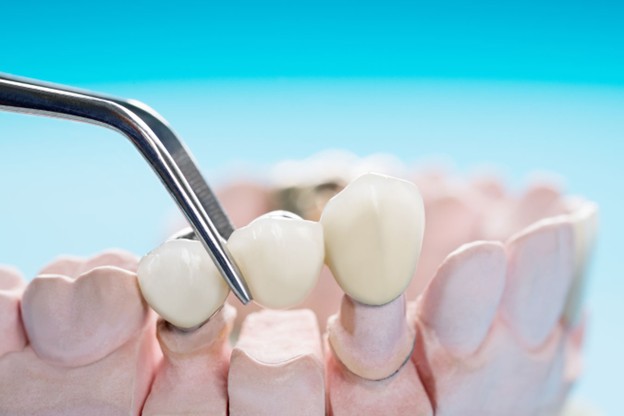
Dental model illustrating a conventional bridge. The appropriate design varies with individual needs.
Frequently Asked Questions
What should I do if I experience gum irritation?
If you notice gum irritation, redness or bleeding around your crown or bridge, contact your dentist for an assessment. These symptoms can have several causes, and an examination is needed to determine the appropriate care. Your dentist will check the restoration and surrounding teeth and gums and discuss any treatment required. Seek prompt dental care if symptoms worsen or you develop pain or swelling.
Is there an adjustment period for crowns and bridges?
A new crown or bridge may feel different at first, and some people experience temporary sensitivity or mild discomfort. The adjustment period varies between individuals. Contact your dentist if your bite feels uneven, chewing is uncomfortable, or symptoms persist or worsen. Significant pain or swelling should be assessed promptly rather than assumed to be part of the adjustment process.
Are there dietary restrictions with crowns and bridges?
Dietary advice depends on the type of restoration and whether it is temporary or permanent. Avoid chewing ice or very hard objects, and do not use your teeth to open packaging. Temporary crowns and bridges may require additional precautions, such as avoiding sticky or hard foods. Follow your dentist’s instructions about when to eat after treatment and any precautions relevant to your restoration.
How should I care for my restoration?
Brush twice daily with fluoride toothpaste and a soft-bristled toothbrush. Clean between your teeth each day and, if you have a bridge, clean underneath the replacement tooth using a method recommended by your dentist, such as a floss threader or an appropriately sized interdental brush. The supporting teeth and surrounding gums still need ongoing care. Attend dental reviews at intervals recommended for your individual needs.
What if my restoration chips or breaks?
Contact your dentist promptly if your crown or bridge chips, cracks, becomes loose or falls out. Avoid chewing on the affected area until you receive advice, and do not attempt to repair or glue the restoration yourself. Whether it can be repaired or needs replacement depends on the material, the extent of damage and the condition of the supporting teeth or implants. Seek urgent dental care if there is significant pain or swelling.
Will my insurance cover crowns and bridges?
Coverage for crowns and bridges varies by insurance plan. We recommend checking with your insurance provider directly regarding coverage for your specific situation.
 English
  Chinese