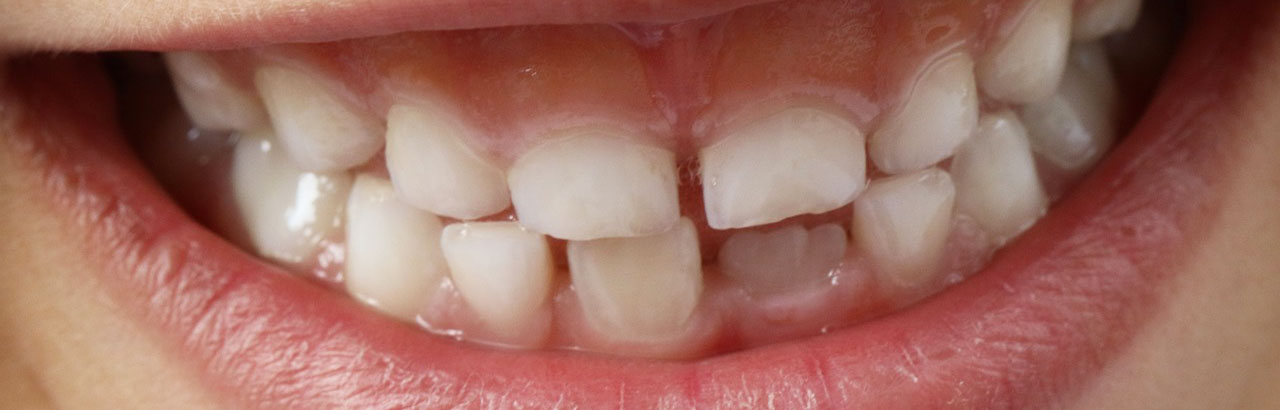
Image used for general illustration of children’s teeth. It does not establish whether a tooth was naturally lost or extracted, or indicate an expected treatment outcome.
Children's Primary Tooth Extraction
Primary (baby) tooth extraction may be recommended when a tooth cannot be preserved or is interfering with tooth eruption. Your dentist will assess the tooth and discuss suitable alternatives, benefits, risks and costs before treatment. Risks include pain, bleeding, swelling and infection, and possible damage to nearby teeth or the developing permanent tooth. Early removal may affect the space available for permanent teeth, so follow-up or space management may be needed. You may seek a second opinion before deciding whether to proceed.
Benefits of Primary Tooth Extraction
Managing Eruption Problems: Removing a retained primary tooth may help when it obstructs a permanent tooth. Extraction does not guarantee normal alignment.
Managing Infection: Where a tooth cannot be preserved, extraction may help manage infection arising from that tooth.
Relieving Symptoms: Removing a painful, unrestorable tooth may improve comfort after healing. Temporary discomfort and changes to eating are expected during recovery.
Frequently Asked Questions
When is Primary Tooth Extraction Needed?
Eruption of Permanent Teeth: A loose primary tooth will often fall out naturally. If a permanent tooth appears while the primary tooth remains, your dentist can assess whether observation or extraction is appropriate.
Severe Decay: If a primary tooth is severely decayed or affects the dental pulp and cannot be saved, extraction can be an effective measure to help prevent the spread of infection.
Retained Primary Teeth: A retained primary tooth may need removal if it obstructs eruption or causes other problems. Your dentist will assess its position and the developing permanent tooth before recommending treatment.
Supernumerary Teeth: Supernumerary teeth are additional teeth and are assessed separately from retained primary teeth. If X-rays reveal extra teeth, your dentist will advise whether and when they should be removed. The best timing depends on your child’s age, the position of the tooth and whether sedation or general anaesthesia may be needed. Some cases may be referred to a specialist.
Transition Period: There is no single extraction time for all children. The decision depends on symptoms, tooth development and whether the primary tooth can safely remain.
Best Time for Extraction?
The timing of extraction depends on the clinical need and the planned treatment. Follow the treating team’s instructions about eating, drinking and medicines beforehand. If sedation or general anaesthesia is planned, specific fasting instructions may apply. Check with the team if any instructions are unclear.
Aftercare: Follow the treating team’s instructions for bleeding control, food, cleaning and pain relief. Supervise your child while the mouth is numb to prevent lip or cheek biting. Seek prompt dental advice for persistent bleeding, worsening pain, swelling or fever. Difficulty breathing or swallowing requires emergency care.
 English
 Chinese