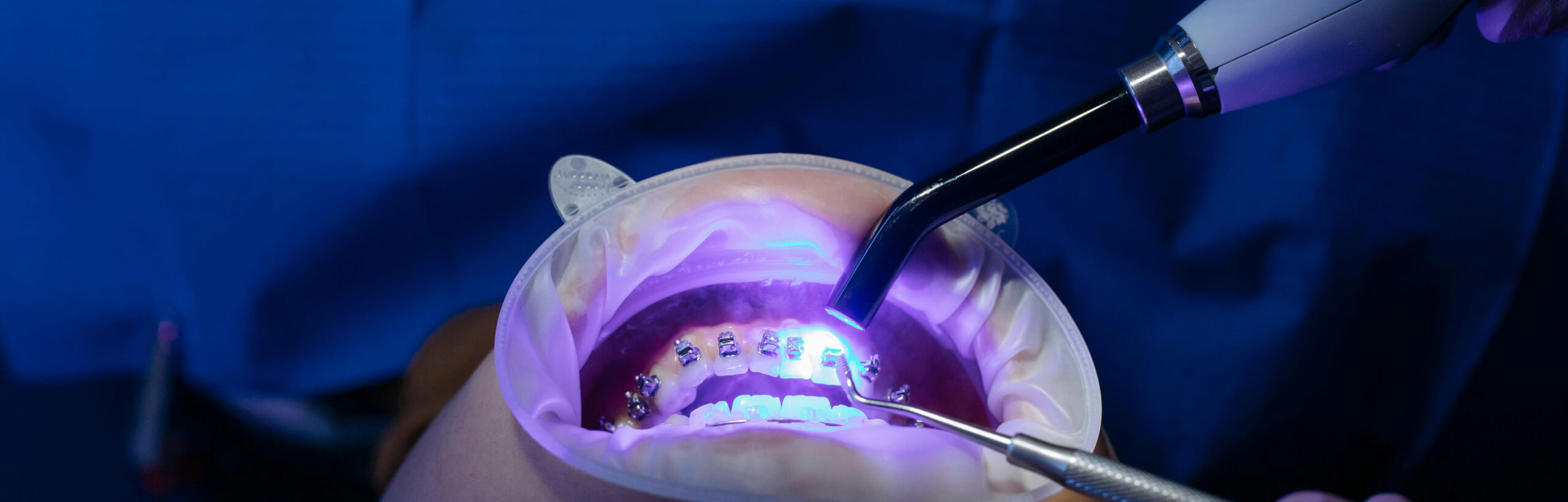
Image illustrates a stage of fixed-brace treatment. Procedures and treatment requirements vary between individuals.
How Can Braces Benefit Me?
Braces can help improve tooth alignment and bite in suitable cases. The expected benefits depend on your teeth, gums, jaw relationships and treatment goals. An assessment is needed to determine whether orthodontic treatment is appropriate.
Reasons to seek an assessment include:
• Crooked or crowded teeth
• Teeth that do not meet comfortably when biting.
• Difficulty cleaning between teeth or frequent food trapping.
• Concerns about chewing, speech or uneven tooth wear.
These concerns can have causes other than tooth alignment and do not necessarily mean you need braces. Your dentist will discuss suitable options. Braces require careful cleaning and ongoing dental care throughout treatment.

This image does not predict individual treatment outcomes. Suitability and expected results require a dental assessment.
Braces or Clear Aligners?
Braces and clear aligners are different ways of moving teeth. The appropriate option depends on your bite, oral health, the tooth movements required and your ability to follow the treatment plan.
- Cost Considerations: Costs depend on the individual treatment plan and what is included. Your dentist can provide estimates for suitable options.
- Planned Tooth Movement: The choice of appliance depends on the movements needed. Neither option is best for every patient.
- Treatment Options: Fixed braces are an established orthodontic treatment. Your dentist will explain the types suitable for your needs.
- Fixed Appliances: Braces remain attached to the teeth during treatment. Progress still depends on attending appointments, caring for the appliance and following instructions, including wearing elastics if prescribed.
- Complex Treatment Needs: Some cases need specialist assessment or a combination of treatments. Referral to a registered orthodontist may be recommended.
Risks and considerations
Orthodontic treatment has risks and limitations. These can include discomfort, mouth ulcers, enamel white spots or decay, gum problems, root shortening and teeth moving after treatment. Careful cleaning, regular reviews and following instructions are important. Retainers are usually needed after treatment to help maintain tooth position. Treatment time and outcomes vary. Your dentist will explain the expected benefits, individual risks, alternatives and costs before you decide whether to proceed. You can seek a second opinion.
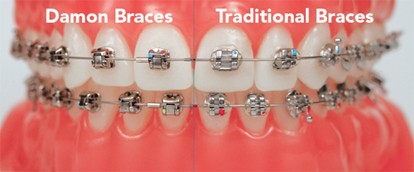
Model illustrates different bracket designs. Appliance choice depends on individual needs; the image does not establish superior treatment results.
Planning Your Orthodontic Treatment
An orthodontic assessment considers your teeth, gums, bite and treatment goals. Your dentist will explain the suitable options and whether specialist advice is recommended.
Before treatment, you will receive information about the proposed plan, expected timeframe, risks, alternatives and estimated fees. Any additional treatment will be discussed according to your individual needs.
Treatment Costs
The cost of orthodontic treatment depends on the appliance, the complexity of your case and the treatment required. A written fee estimate will explain the proposed treatment, what is included and any exclusions or potential additional charges.
Digital Technology
Where clinically indicated, digital scans and X-rays may assist with assessment and treatment planning. The investigations recommended depend on your individual needs, and equipment availability varies between clinics.
Potential Benefits and Limitations
Orthodontic treatment may improve tooth alignment, bite and appearance in suitable cases. The benefits depend on the condition of your teeth and gums and the treatment required.
Treatment does not replace daily cleaning or routine dental care. Fixed braces can make cleaning more demanding, and poor oral hygiene during treatment can lead to enamel marks, decay or gum problems.
Your dentist will discuss the expected benefits, limitations, ongoing care and total estimated costs so you can decide whether treatment is appropriate for you.
Why Choose Our Braces?
Bracket System: We offer Damon® Passive Self-Ligating brackets. Treatment times vary between individuals.
Flexible Payment Plans: We offer payment plans (such as Denticare) to make treatment more accessible. Subject to approval. Fees, terms and conditions apply.
Digital Technology: Our practice uses 3D and X-ray scanners to help create treatment plans tailored to your needs.
High Customization: Where clinically appropriate, braces may be combined with other treatments such as composite bonding or whitening. Your dentist will discuss whether any additional treatment is suitable for you.
Clear Fee Estimates: You will receive a written treatment plan and fee estimate before starting, so you know exactly what’s included. Speak to our friendly staff to learn more!
Orthodontic Treatment Costs
The cost of orthodontic treatment varies according to the type of appliance, the complexity of your case and the treatment required.
Following an assessment, your dentist will discuss suitable options and provide a written fee estimate outlining what is included, any exclusions and potential additional costs.
Traditional Metal Braces
The cost of traditional metal braces depends on the complexity of your case and the treatment required. Following an assessment, your dentist will provide a written fee estimate outlining what is included, any exclusions and potential additional charges.
Ceramic and Lingual Braces
Ceramic and lingual braces differ in appearance, placement and suitability. Your dentist will assess your needs, explain the available options and provide a written fee estimate, including any additional costs.
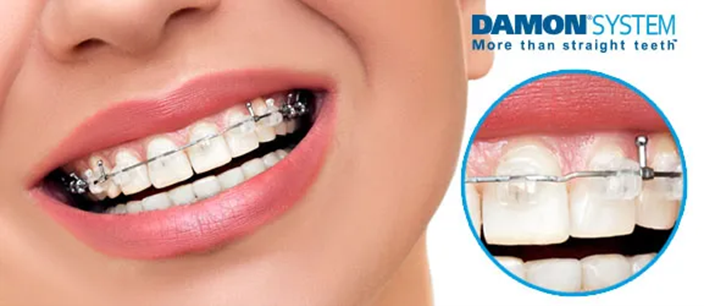
Image illustrates the appearance of a bracket system. Visibility and treatment requirements vary between individuals.
Invisalign (Invisible Braces)
Clear aligners such as Invisalign are less noticeable than fixed metal braces, but may not be suitable for every case. Costs depend on the tooth movements required and the treatment plan. Your dentist will provide a written estimate explaining whether additional aligners, retainers and follow-up appointments are included.
Orthodontic treatment may improve tooth alignment and bite in suitable cases. Better alignment may make some areas easier to clean, but ongoing oral hygiene and regular dental care remain essential. Treatment outcomes and long-term care needs vary between individuals.
Depending on your bite, treatment may also help address chewing difficulties or uneven tooth wear. Your dentist will assess these concerns and explain the likely benefits and limitations for your situation.
Finally, braces can also improve the appearance of your teeth. While the cost of metal braces, lingual braces, or clear braces at Experteeth may vary, the final cost is confirmed in your written fee estimate.
We take pride in offering a comprehensive range of orthodontic and dental treatments to help you improve your smile. Whether you need traditional braces or a more advanced solution, we aim to give you the information you need to make an informed decision.
Understanding that treatment costs can be a concern, we offer payment plans to help spread the cost. Subject to approval. Fees, terms and conditions apply.
If you’re wondering about the cost of braces in Sydney or searching for orthodontic care, contact Experteeth today to learn more about our braces and other services such as Teeth Cleaning, Wisdom Teeth Removal, Dental Crowns, Dental Implants, Root Canal Therapy, and more.
 English
 Chinese