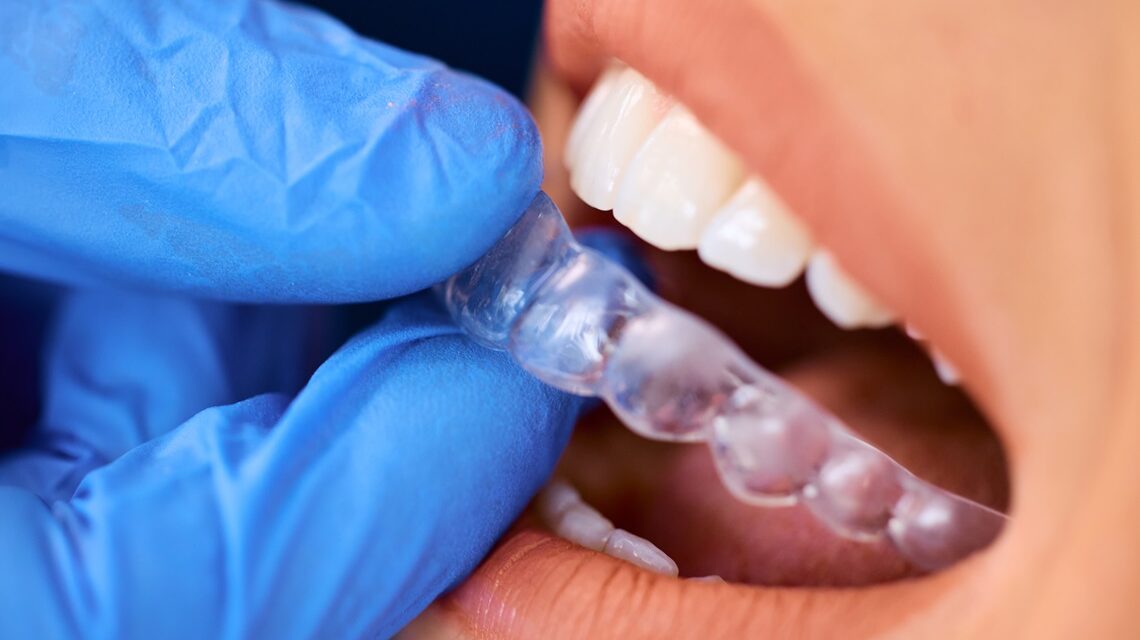
General illustration of a clear dental appliance; the appliance shown may differ from a bruxism splint. Your dentist will explain the device recommended for you.
Splint for Bruxism
Bruxism involves grinding or clenching the teeth and can occur during sleep or while awake. It may contribute to tooth wear, damage or jaw discomfort. At Experteeth Dental, a custom-made occlusal splint may be recommended after assessment to help protect teeth from grinding-related wear. A splint does not cure bruxism or necessarily stop grinding, and other management approaches may be needed.
Benefits of Using a Splint
Tooth Wear: The splint helps protect your teeth, which may reduce damage caused by grinding.
Jaw Symptoms: A splint may be considered as part of an individual plan for some jaw symptoms. Evidence for pain relief is limited, and other treatments may be more appropriate depending on the diagnosis.
Part of a Management Plan: A splint may be used alongside advice about daytime clenching, sleep habits and other contributing factors identified during assessment.
Tooth Protection: Helps protect your teeth from grinding forces.
Advantages of Splint
Personalized Design: Custom-designed splints tailored to your specific needs.
Material Selection: Your dentist will explain the material and design recommended for your needs, including their limitations and care requirements.
Fit and Comfort: The splint is made to fit your teeth. An adjustment period and follow-up adjustments may be needed.
Follow-Up Care: Review appointments allow your dentist to check the fit, bite and wear of the splint and whether it remains appropriate for you.
Frequently Asked Questions
What is the production time for a splint?
The production time is usually short, ranging from one to three weeks from design to final product. The exact duration depends on the material selected and the complexity of the fabrication process.
What are the effects of using a splint?
Splints are widely used to help protect teeth from wear caused by grinding and may help relieve jaw pain. A splint does not cure bruxism or always stop grinding itself, and results vary between individuals.
How should a splint be maintained?
Regular cleaning and maintenance are essential to ensure hygiene and durability. Follow your dentist’s instructions for daily care to prevent damage or reduced effectiveness. Bring your splint to review appointments so your dentist can check its fit and condition. Do not adjust it yourself.
Who should use a splint?
A splint may be appropriate where grinding or clenching is contributing to tooth wear or damage. Not everyone with bruxism needs one. Your dentist will assess your teeth, symptoms and relevant medical history and discuss options, risks and costs. Tell your dentist if you snore, have breathing pauses during sleep or have diagnosed sleep apnoea. A standard bruxism splint is not a treatment for sleep apnoea, and further assessment may be needed.
Are there any side effects of using a splint?
Possible effects include initial discomfort, increased saliva, irritation and changes in how the teeth meet. Bite changes are not always temporary. If the splint causes new or worsening pain, persistent bite changes, or becomes loose or damaged, stop using it and contact your dentist for advice. Follow-up reviews are important to check fit and ongoing suitability.
 English
 Chinese