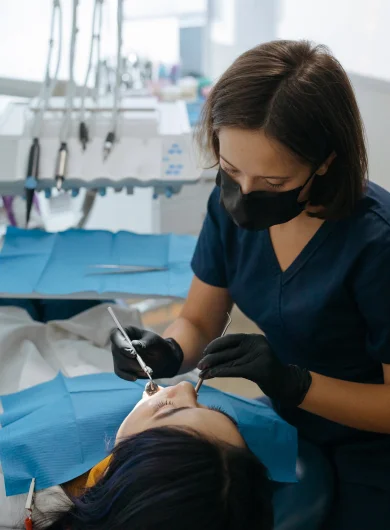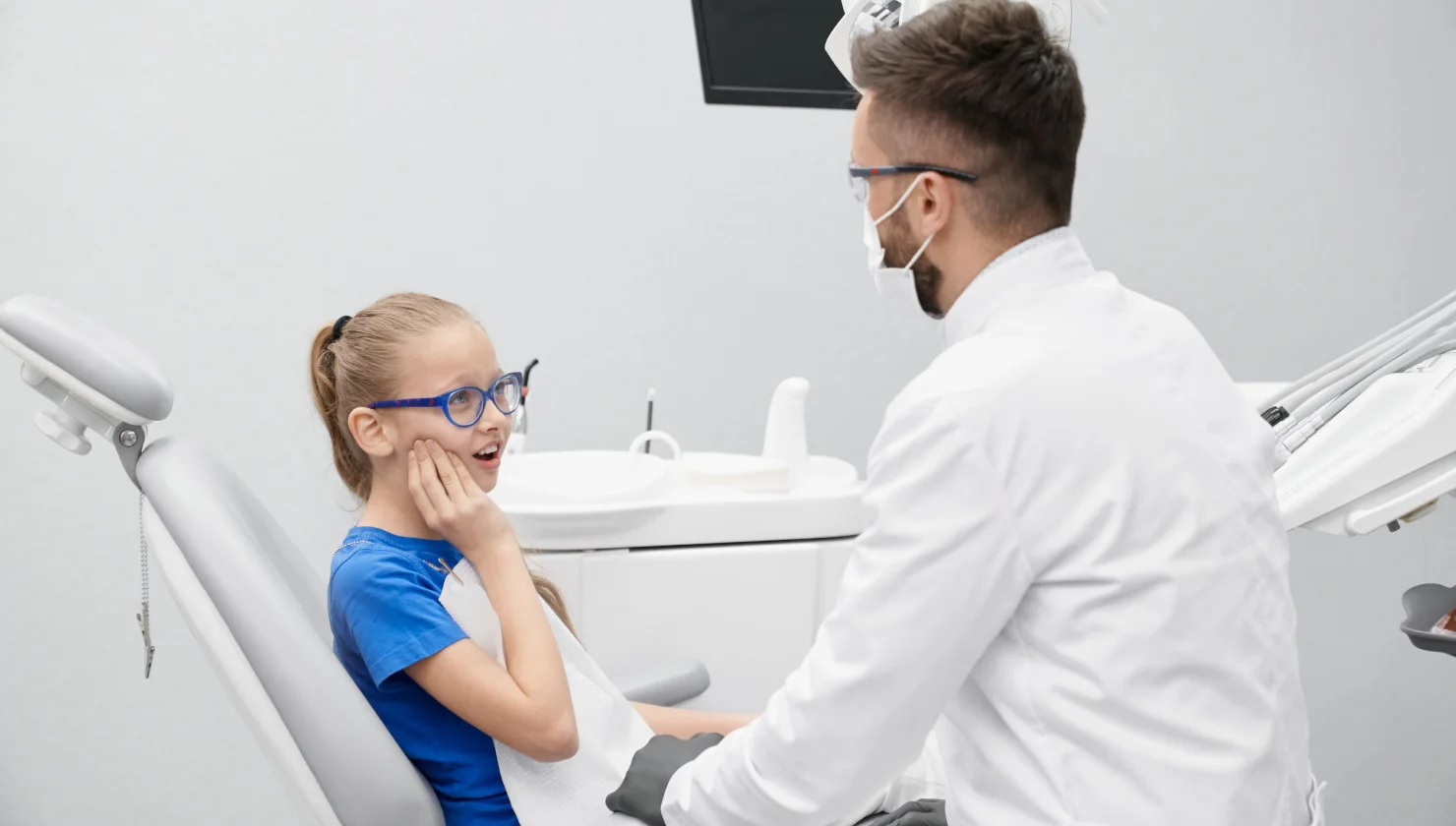
Regular dental check-ups can help monitor your child’s teeth and gums and identify potential concerns. Your dentist can recommend check-up intervals based on your child’s individual needs.


When to Arrange a Dental Visit
Children’s teeth and jaws change as they grow. The signs below do not always mean treatment is needed, but they are reasons to seek dental advice. A general dentist can assess many common concerns and discuss referral to a registered specialist when appropriate.
1. Concerns About Teeth Coming Through
The timing of tooth eruption varies between children. If you are concerned that a tooth is taking longer than expected to appear, or that teeth are coming through unevenly, a dentist can assess your child’s development.
2. Ongoing Thumb Sucking or Dummy Use
Thumb sucking and dummy use are common in young children. Depending on how often and how long the habit continues, it may affect the position of the teeth or the bite. Your dentist can offer advice suited to your child’s age and needs.
Images are for illustration only. Each child’s dental care needs are assessed individually.
3. Difficulty Chewing or Biting
Pain when chewing, avoiding certain foods or a change in how your child bites may have several causes. A dental assessment can help identify whether teeth, gums or the bite are contributing to the problem.

Play Video
4. Tooth Pain or Sensitivity
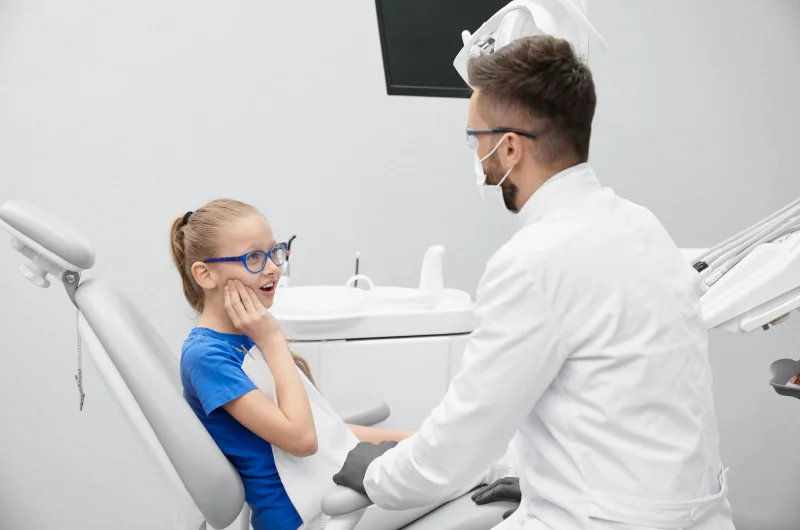
Persistent or recurring toothache, or sensitivity to hot, cold or sweet foods, should be assessed by a dentist. Seek prompt advice if pain is severe, affects sleep or eating, or occurs with swelling or fever.
5. White or Brown Spots on Teeth
Changes in tooth colour may be related to decay, enamel development, staining or other causes. A dentist can examine the area and explain whether monitoring, preventive care or treatment is appropriate.
6. Persistent Bad Breath
Bad breath that continues despite regular cleaning may have a dental or non-dental cause. A dentist can check your child’s teeth and gums and advise whether further assessment is needed.
7. Bleeding or Swollen Gums
Repeated bleeding when brushing, redness or swelling should be checked. Your dentist can assess the gums and advise on cleaning techniques and any care needed. Facial swelling, particularly with fever or your child feeling unwell, needs urgent assessment.
8. Teeth Grinding
Teeth grinding can occur in children and does not always need treatment. Arrange a dental assessment if you notice tooth wear, pain, jaw discomfort or other concerns. Management depends on your child’s age, symptoms and examination findings.
9. Crooked or Crowded Teeth
Tooth positions can change as baby teeth are replaced by adult teeth. Crowding or an uneven bite does not automatically mean your child needs early orthodontic treatment. A dentist can assess development and discuss monitoring or referral where appropriate.
If you notice any of these signs, contact a dentist for advice. An assessment can help determine whether your child needs monitoring, preventive care, treatment or referral.
Supporting Your Child’s Dental Care
Book a Consultation
Tags:healthsmilemakeover


 English
  Chinese