Getting dental implants can be a major event in someone’s life.

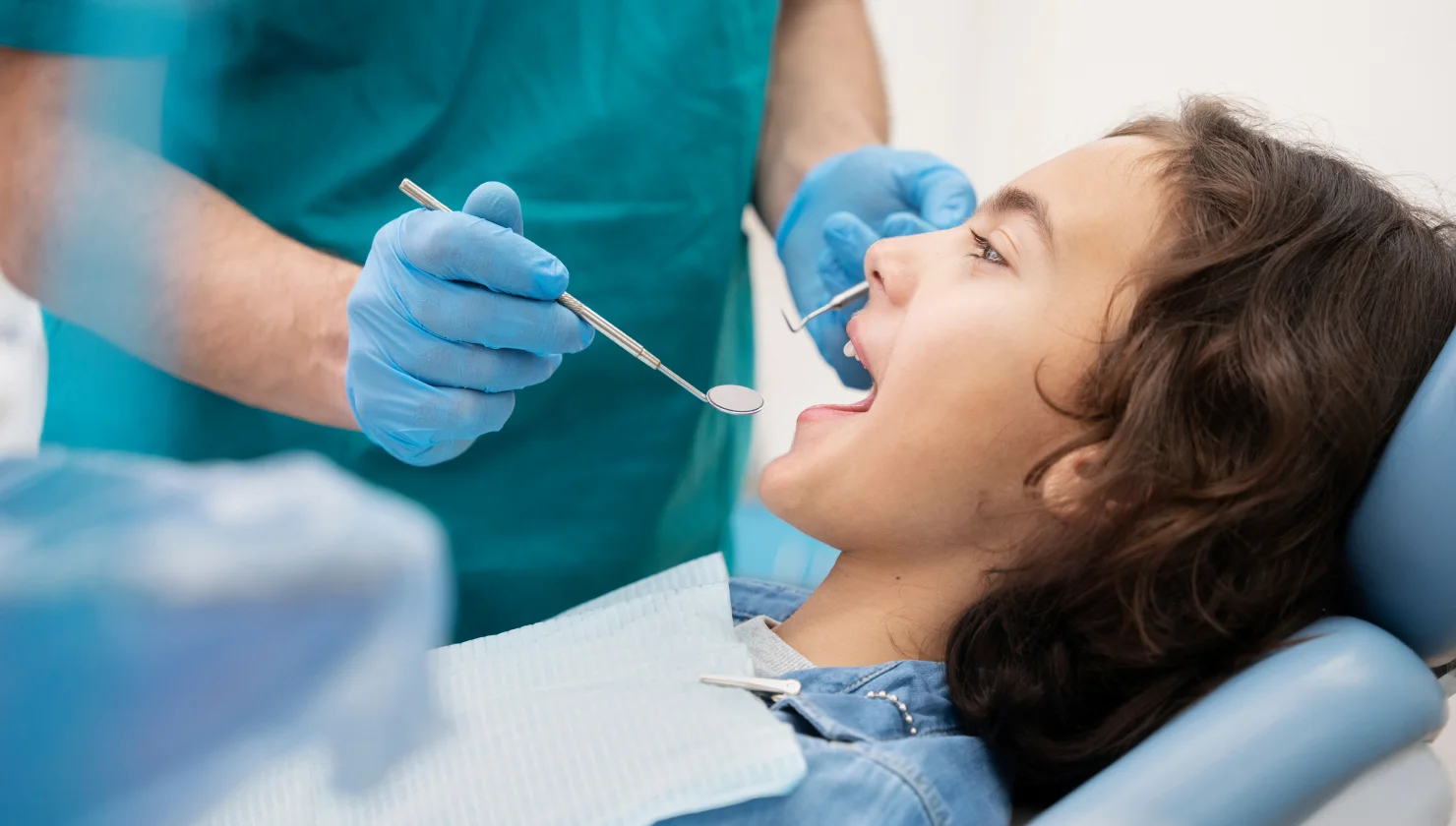
Images are for illustration only and do not represent a specific patient’s treatment or outcome.
Eating After Dental Implant Surgery
Soft foods may make eating more comfortable and reduce pressure on the treated area during early healing. Your dietary needs will depend on the procedure, whether you had bone grafting, and whether a temporary crown or bridge was fitted.
This article provides general information. Follow the personalised instructions from your treating dentist if they differ from the advice below.
Food Choices During Early Healing
Follow your dental team’s advice about when to start eating after surgery. Avoid chewing while your mouth is numb, and avoid hot food or drinks that could burn the area.
Depending on your dentist’s instructions, suitable soft options may include:
Plain yoghurt without seeds or crunchy pieces.
Smooth soups, allowed to cool.
Mashed potatoes or other mashed vegetables.
Scrambled eggs.
Soft tofu.
Mashed banana or avocado.
Smooth porridge, allowed to cool.
Choose foods that require little chewing and avoid placing pressure on the surgical site or temporary teeth.
Adding More Texture
As healing progresses, your dentist may advise you to introduce foods such as soft pasta, well-cooked vegetables or tender, boneless fish.
There is no single timetable for returning to firmer foods. Some procedures require a soft diet for longer, even when the area feels comfortable. Ask your dentist before increasing chewing pressure, particularly if you have a temporary implant-supported crown or bridge.
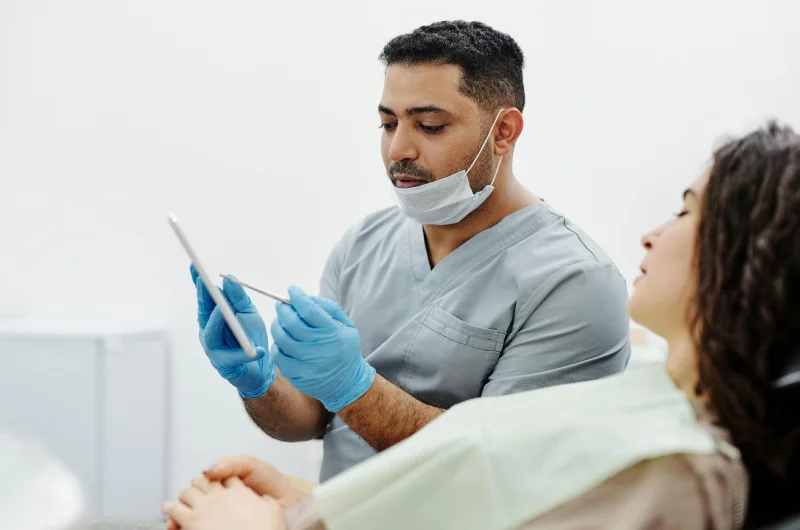
Images are for illustration only and do not represent a specific patient’s treatment or outcome.
Foods and Drinks to Limit During Healing
Until your dentist advises otherwise, avoid foods that could put pressure on or disturb the treated area, including:
Hard foods such as nuts, ice, hard sweets and raw carrots.
Crunchy foods such as popcorn, crisps and crusty bread.
Sticky or chewy foods such as caramel and tough meat.
Avoid very hot food and drinks during early recovery. Spicy or acidic foods may also irritate the area; leave them out if they cause discomfort.
Follow your dental team’s instructions about alcohol, particularly if you are taking medicines or have had sedation.
Supporting Your Recovery
Drink water regularly and choose a varied diet with adequate protein and other nutrients. Follow your dentist’s instructions for cleaning around the surgical site and attend your review appointments.
Diet and aftercare support recovery, but they cannot guarantee healing or implant success.
When to Contact Your Dentist
Contact your treating clinic promptly if you have increasing or persistent pain, worsening swelling, fever, discharge, bleeding that does not settle, or a loose implant component or temporary tooth.
Call 000 if you have difficulty breathing or swallowing. Seek urgent medical care for uncontrolled heavy bleeding.
Returning to Your Usual Diet
Your dentist will advise when it is appropriate to resume your usual foods based on healing and the type of restoration fitted. Continue regular dental reviews and avoid using your teeth to bite hard objects or open packaging.
Book a Consultation


 Chinese
 English