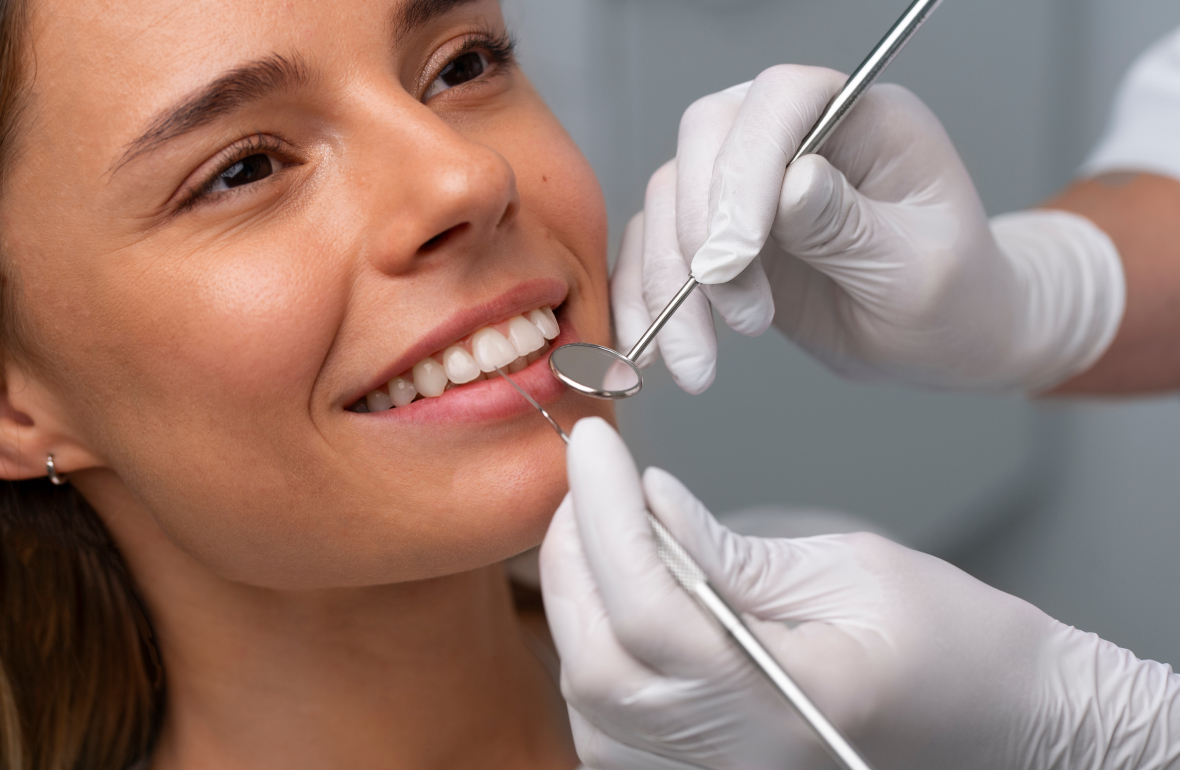
General illustration of a dental examination, not an extraction procedure or treatment result. The care required depends on individual assessment.
智齿、阻生智齿拔除
Tooth extraction is the removal of a tooth and may be recommended when it cannot be preserved or when removal is appropriate within an assessed treatment plan. Extraction is irreversible. Your dentist will discuss suitable alternatives, benefits, risks, costs and any need for tooth replacement. Risks include pain, swelling, bleeding, infection and dry socket. Depending on the tooth’s position, additional risks may include damage to nearby teeth, temporary or permanent nerve injury, or a connection between the mouth and sinus. Complex cases may require specialist referral.
When Might Tooth Extraction Be Recommended?
Severe Decay or Damage: Extraction may be recommended where a tooth cannot be predictably restored or preserved.
Impacted Teeth or Orthodontic Planning: Removal may be considered where a tooth is causing disease or other problems, or as part of an assessed orthodontic plan. Not all impacted or misaligned teeth need extraction.
Infection: An infected tooth may sometimes be preserved with treatment such as root canal treatment. Extraction may be considered where preservation is not appropriate, after discussing the available options.
Teeth Without an Opposing Tooth: The absence of an opposing tooth does not by itself mean extraction is needed. Your dentist will assess symptoms, tooth position, prognosis and the overall restorative plan.
Our Advantages
Dental Team: Registered dentists provide extraction care.
Treatment Planning: We assess the tooth and relevant imaging to plan the extraction and discuss its complexity, risks and any need for referral.
Infection Control: We follow applicable infection prevention and control requirements, including appropriate cleaning, disinfection and sterilisation procedures.
Frequently Asked Questions
Before the Extraction:
Diet: Follow the treating team’s instructions about eating and drinking before your appointment. For local anaesthetic alone, fasting is usually not required. Sedation or general anaesthesia may require specific fasting instructions; check with the team if you are unsure.
Health Status: Tell your dentist about your medical conditions, allergies and all medicines and supplements, including blood thinners and medicines used for osteoporosis or cancer. Mention any previous head or neck radiotherapy. Do not stop or change prescribed medicines unless advised by your treating clinician.
Rest: Ensure adequate rest the day before the extraction.
After the Extraction:
Anaesthesia: Numbness may last several hours. Avoid chewing until normal sensation returns, and avoid hot food and drinks while numb. Take care not to bite your lip, cheek or tongue.
Bleeding: Bite firmly on the gauze provided for around 30 minutes, or as directed. Slightly blood-stained saliva can occur, but persistent or heavy bleeding needs attention. If bleeding continues, apply fresh gauze and firm pressure and contact the practice for advice. Do not sleep with gauze in your mouth.
Diet: Once numbness has worn off and bleeding is controlled, choose soft foods at a comfortable temperature and chew away from the extraction site. Avoid alcohol for at least 24 hours and follow any additional instructions provided.
Oral Care: For the first 24 hours, avoid rinsing, forceful spitting, using straws or touching the socket. These actions can disturb the blood clot. After 24 hours, gentle warm salt-water rinses may be used as directed.
Exercise: Rest and avoid strenuous activity for at least 24 hours, or longer if advised. Avoid smoking and vaping during healing, as they can increase complications. Follow your dentist’s advice about when to resume activities.
Brushing: After 24 hours, resume gentle brushing of the other teeth, taking care not to disturb the socket. Follow any different instructions provided for your procedure.
Swelling: Swelling can increase over the first two to three days after surgical extraction before gradually improving. A cold pack wrapped in a cloth may help when used intermittently as advised. Contact the practice for worsening swelling, fever or swelling that is not beginning to improve. Difficulty breathing or swallowing requires immediate emergency care.
Pain: Some discomfort is expected, but severe, increasing or poorly controlled pain should be assessed promptly. Use pain relief only as advised and within the recommended dose. Check with your dentist or pharmacist which medicines are suitable for you. Persistent numbness beyond the expected anaesthetic period should also be reported.
 Chinese
 English