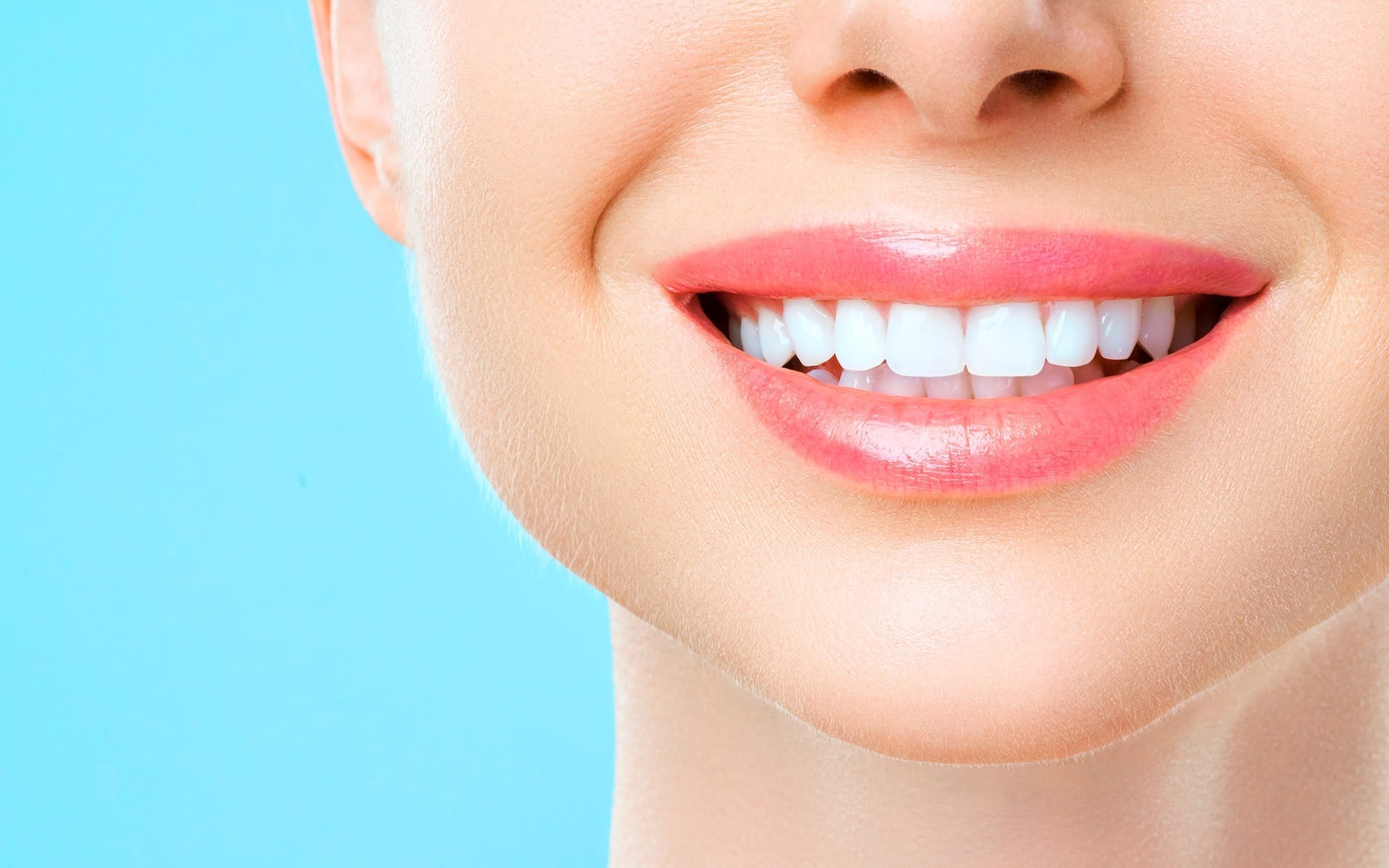
Image used for general illustration, not as evidence of a whitening result. Natural tooth colour and treatment response vary, and the shade shown is not a promised outcome.
美白牙齿
Teeth whitening is an elective cosmetic treatment intended to lighten the colour of natural teeth. Suitability and results depend on your oral health and the cause of discolouration. Our dentists can assess your teeth and discuss the available options, limitations, risks and costs before you decide whether to proceed.
Whitening and Surface Stain Removal
Whitening treatments can lighten natural tooth colour, while professional cleaning removes plaque, tartar and some surface stains. These procedures have different purposes and are not interchangeable. Your dentist will assess the cause of discolouration and explain which options may be appropriate.
- In-Chair Whitening
- Dentist-Supervised At-Home Whitening
- Ultrasonic Cleaning
- Professional Polishing for Surface Stains
Causes of Tooth Discoloration
Tooth discoloration can be caused by multiple factors, leading to different treatment approaches:
Surface Stains: Pigments from coffee, tea, red wine, and tobacco gradually deposit on the tooth surface, causing yellowing or darkening.
Internal Discolouration: Tooth injuries, certain medicines taken during tooth development, and developmental conditions can affect tooth colour. Excessive fluoride intake while teeth are forming can cause dental fluorosis.
Ageing: Teeth may appear darker or more yellow with age as enamel becomes thinner and the underlying dentine becomes more visible.
Oral Hygiene: Poor oral hygiene can lead to plaque and tartar buildup, resulting in tooth discoloration.
Treatment Options
In Chair Whitening: Whitening gel is applied in the clinic with measures to protect the surrounding soft tissues. The procedure depends on the whitening system used.
Dentist-Supervised At-Home Whitening: Whitening gel is used with custom trays according to your dentist’s instructions. The amount, wearing time and treatment duration depend on the prescribed product.
Ultrasonic Cleaning: Uses ultrasonic tools to remove tartar, plaque, and stains, which may help restore the natural appearance of teeth. This removes deposits and some surface stains but does not bleach the natural tooth colour.
Professional Polishing for Surface Stains: Appropriate polishing methods may be used to remove external stains. This does not change the internal colour of the tooth.
Benefits
Whitening may lighten natural teeth, but the degree of colour change varies and a particular shade cannot be guaranteed.
Fillings, crowns and veneers do not whiten like natural teeth, so colour differences may become more noticeable.
Possible side effects include tooth sensitivity and irritation or chemical burns to the gums and other soft tissues.
A dental assessment helps identify suitable options and realistic expectations. Whitening is optional, results are not permanent, and no treatment may also be a reasonable choice.
Frequently Asked Questions
How long do the whitening effects last?
Results are not permanent, and their duration varies with the treatment, original tooth colour, diet, smoking and oral care. Discuss any repeat treatment with your dentist rather than automatically repeating whitening, particularly if you have sensitivity.
Does teeth whitening damage teeth?
Teeth whitening is not risk-free. Sensitivity and soft-tissue irritation can occur even when products are used as directed. Incorrect use or overuse can increase harm. Your dentist will assess your oral health and explain the risks and instructions for the proposed treatment.
Will there be discomfort after whitening?
Tooth sensitivity and gum discomfort can occur during or after whitening, and severity varies. If symptoms occur during home treatment, pause treatment and contact your dentist for advice. Severe or persistent pain, burns or ulcers should be assessed rather than treated as a normal adjustment.
What should be avoided after whitening?
Follow the aftercare instructions for the specific whitening product used, including any advice about food, drinks and managing sensitivity. After whitening, avoid consuming heavily pigmented foods and drinks like coffee, tea, and red wine to reduce the risk of re-staining. Maintain good oral hygiene habits, including regular brushing and flossing, to preserve whitening results.
Is teeth whitening suitable for everyone?
Suitability depends on the cause of discolouration, tooth and gum health, existing restorations and sensitivity. Decay, gum disease or other dental problems may need treatment first. Elective whitening is generally deferred during pregnancy and breastfeeding because safety evidence is limited. Your dentist will explain whether whitening is appropriate for you.
What is the difference between teeth whitening and dental veneers?
Whitening uses bleaching agents to lighten natural tooth colour. Veneers are coverings bonded to the front of selected teeth to change their appearance. Veneers may involve irreversible removal of tooth structure and future maintenance or replacement. They are not automatically the next step if whitening is unsuitable; your dentist will discuss appropriate alternatives.
Can I see immediate results?
In-chair whitening may show visible results after a single visit, while at-home gel whitening may take a few days or weeks to achieve noticeable effects. Patience and adherence to your dentist’s instructions are essential. The amount and timing of colour change vary, and a particular shade cannot be guaranteed.
Can teeth look uneven or become darker again after whitening?
Whitening may produce uneven colour changes, and existing fillings, crowns or veneers may no longer match the surrounding teeth. Teeth can also become stained or darker again over time. New or unexpected discolouration should be assessed before further whitening.
Is there an age limit for teeth whitening?
Cosmetic whitening is generally considered for adults after dental assessment. Children and teenagers with discoloured teeth should have the cause assessed before any treatment is considered. Suitability depends on tooth development, clinical need and the product’s age restrictions and instructions.
 Chinese
 English